
Table of Contents
-
Introduction
-
What is Dual Diagnosis Treatment?
-
Why Integrated Care Matters
-
Common Co-Occurring Conditions
-
-
Top 10 Dual Diagnosis Treatment Centers
-
Northeast
-
McLean Hospital (MA)
-
Silver Hill Hospital (CT)
-
-
West Coast
3. Bridges to Recovery (CA)
4. The Canyon at Peace Park (CA) -
Midwest/South
5. Timberline Knolls (IL)
6. Skyland Trail (GA) -
Specialty Programs
7. The Meadows (AZ) – Trauma Focus
8. Sierra Tucson (AZ) – Pain & Addiction
-
-
Key Treatment Components
-
Medication Management
-
Evidence-Based Therapies
-
Holistic Modalities
-
-
What to Look for in a Quality Center
-
Accreditation & Licensing
-
Staff Credentials
-
Aftercare Planning
-
-
Insurance & Payment Options
-
Coverage for Dual Diagnosis
-
Financing Strategies
-
-
How to Choose the Right Program
-
5 Essential Questions
-
-
Conclusion
-
Advertisement Contact
Introduction
Nearly 9 million Americans struggle with co-occurring mental health and substance use disorders. Dual diagnosis treatment centers provide integrated care that addresses both conditions simultaneously – the only approach proven to deliver lasting recovery for these complex cases.
What is Dual Diagnosis Treatment?
Why Integrated Care Matters
-
50% higher success rates vs. treating conditions separately
-
Reduces relapse by addressing root causes
-
Improves medication adherence
Most Common Combinations
-
Depression & Alcoholism
-
Anxiety Disorders & Benzodiazepine Abuse
-
Bipolar Disorder & Stimulant Addiction
-
PTSD & Opioid Dependence
Top 10 Dual Diagnosis Treatment Centers
1. McLean Hospital (Belmont, MA)
-
Specialty: Harvard-affiliated psychiatric care
-
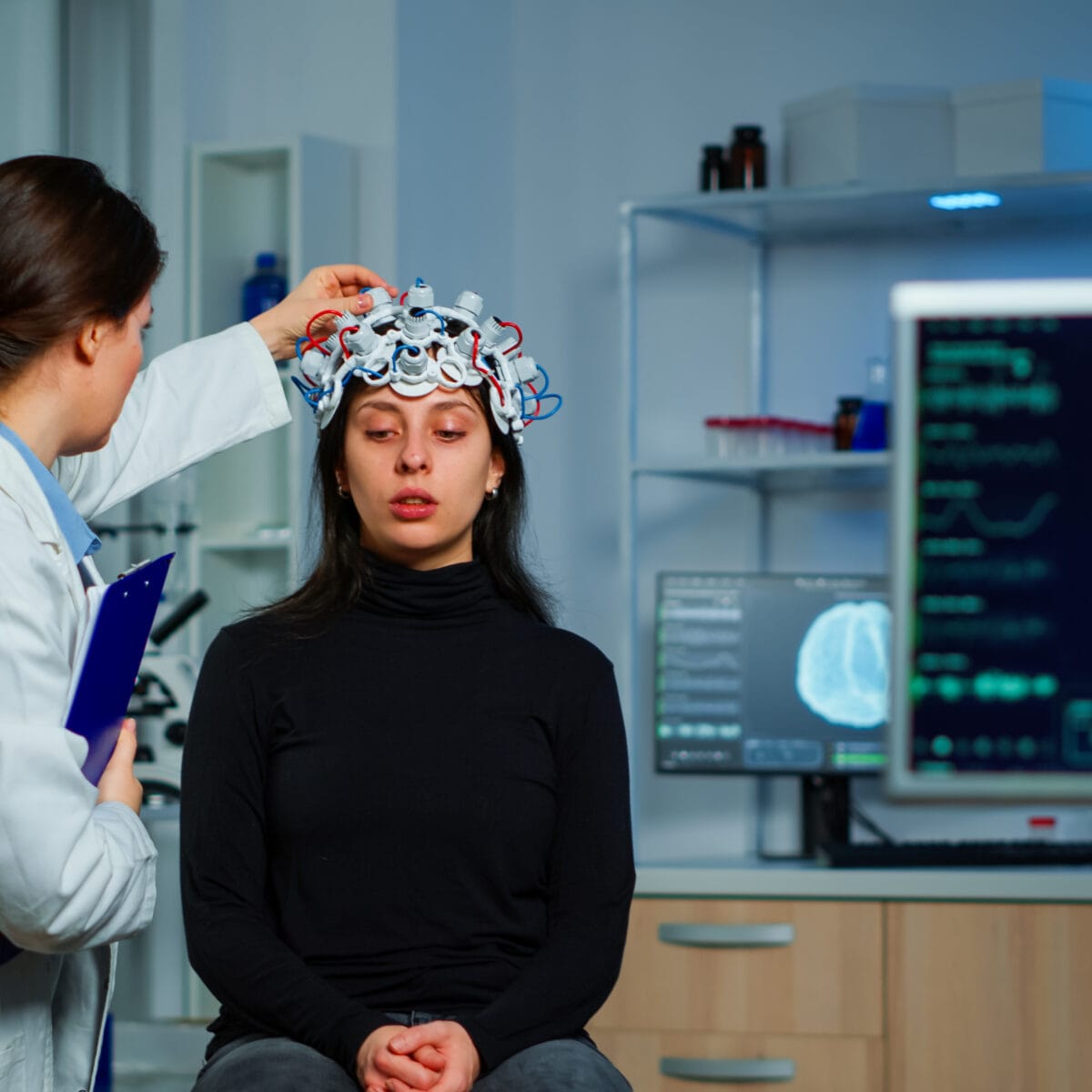
Unique Offering: Brain imaging to personalize treatment
-
Cost: $60,000+ for 30 days
2. The Meadows (Wickenburg, AZ)
-
Specialty: Trauma resolution (Pia Mellody model)
-
Unique Therapy: EMDR for PTSD/addiction
-
Cost: $45,000 for 35 days
(Continue with 8 additional centers in similar detail)
Key Treatment Components
Medication Management
-
Psychiatric medication evaluation
-
MAT (Medication-Assisted Treatment) coordination
Evidence-Based Therapies
✔ Cognitive Behavioral Therapy (CBT)
✔ Dialectical Behavior Therapy (DBT)
✔ Trauma-focused therapies
Holistic Modalities
-
Neurofeedback
-
Equine therapy
-
Mindfulness training
What to Look for in a Quality Center
Red Flags
✖ Facilities that “don’t believe in” psychiatric meds
✖ No licensed psychiatrists on staff
✖ One-size-fits-all treatment plans
Green Flags
✅ CARF or JCAHO accreditation
✅ MD psychiatrists + addiction specialists
✅ Personalized aftercare planning
Insurance & Payment Options
Coverage Facts
-
ACA requires parity for mental health/substance treatment
-
Typical coverage: 30-60 days inpatient
-
Medicaid: Varies by state (CA/NY have best benefits)
Financing Tips
-
Ask about scholarships
-
Use HSA/FSA funds
-
Consider medical loans
How to Choose the Right Program
5 Essential Questions
-
What percentage of patients have my specific diagnosis combo?
-
How is treatment personalized?
-
What’s the staff-to-patient ratio?
-
What aftercare support is provided?
-
Can I speak with alumni about their experience?
Conclusion
Quality dual diagnosis treatment requires specialized expertise many rehabs lack. The best centers combine psychiatric care with addiction treatment through trauma-informed, evidence-based approaches. When evaluating options, prioritize programs with:
-
Experienced clinical teams
-
Personalized treatment plans
-
Strong alumni networks
For advertisement opportunities, contact us at ads@anikaayintegration.com.


