
🌿 Introduction
The Roundup lawsuit has become one of the most significant mass tort cases in recent years. Victims across the U.S. allege that Monsanto’s widely used herbicide caused non-Hodgkin’s lymphoma and other cancers. Despite Roundup’s popularity among farmers, landscapers, and homeowners, growing evidence links its key ingredient—glyphosate—to severe health risks.
🔬 What Is Roundup?
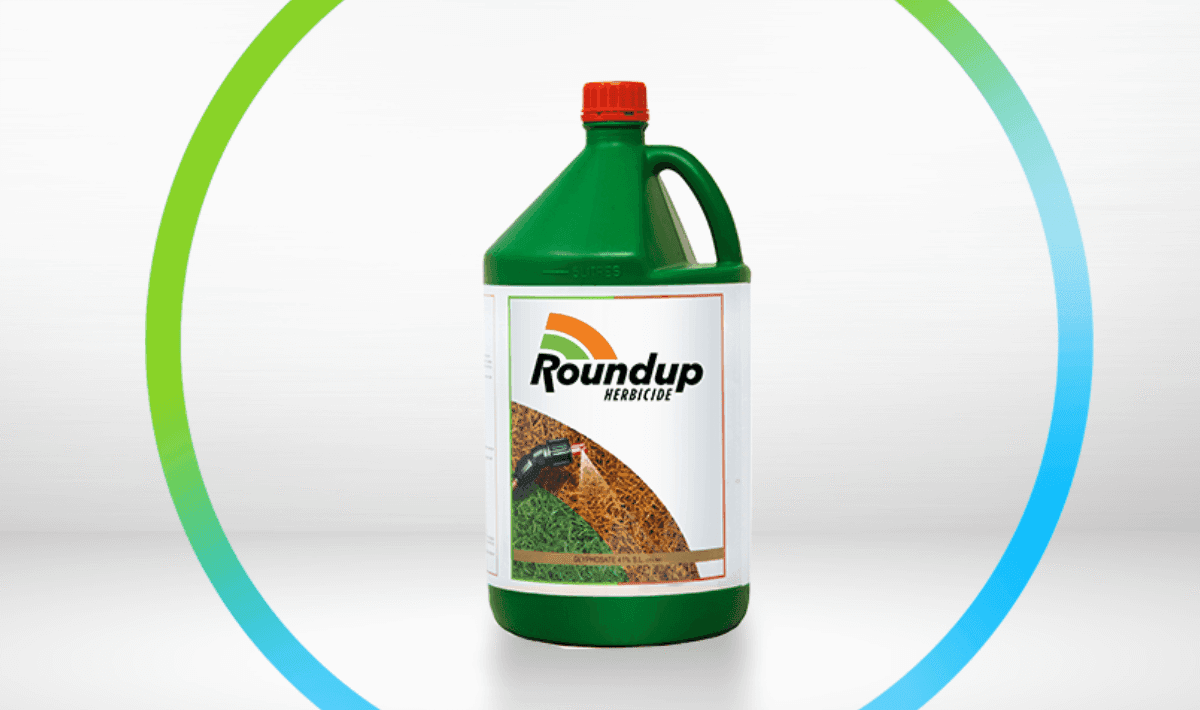
Roundup is a glyphosate-based herbicide used to kill weeds. Developed by Monsanto (now owned by Bayer), it’s been a staple in agriculture and home gardening since the 1970s. Glyphosate works by inhibiting enzymes plants need for growth. Unfortunately, it may also affect human cells.
⚠️ Why Is Roundup Controversial?
Multiple scientific studies and court findings have suggested a link between glyphosate exposure and:
-
Non-Hodgkin’s lymphoma (NHL)
-
Multiple myeloma
-
Leukemia
-
DNA damage
In 2015, the World Health Organization’s IARC classified glyphosate as “probably carcinogenic to humans.” This triggered a wave of lawsuits against Monsanto/Bayer.
🧪 What Causes the Harm?
The active ingredient—glyphosate—has been found to:
-
Damage DNA in human cells
-
Disrupt the gut microbiome
-
Trigger oxidative stress
-
Suppress immune function
Those with long-term, repeated exposure (e.g., farmers, groundskeepers) are especially at risk.
🔍 How Victims Discover the Cause
Most victims were unaware of the danger until:
-
A doctor connected symptoms to environmental factors
-
They saw legal ads or news stories linking Roundup to cancer
-
They developed symptoms after prolonged use without protective gear
Many were never warned of the potential cancer risk, forming the foundation for lawsuits.
📁 Case Study 1: Groundskeeper with Terminal Cancer
Name: Dewayne Johnson
Location: California
Johnson worked as a school groundskeeper, applying Roundup 20–30 times a year. He was diagnosed with non-Hodgkin’s lymphoma at age 42. His case became the first to go to trial.
“They never warned me this could kill me.”
A jury awarded him $289 million (later reduced), citing Monsanto’s failure to warn and internal emails that showed corporate cover-ups.
📁 Case Study 2: Farmer Diagnosed After Years of Use
Name: Mark Thompson
Location: Nebraska
Mark used Roundup on his soybean farm for 15 years. In 2021, he was diagnosed with NHL. His oncologist linked it to long-term glyphosate exposure.
“I never imagined weed killer could cause cancer.”
He filed a personal injury lawsuit, joining thousands of other farmers across the Midwest.
📁 Case Study 3: Home Gardener’s Unexpected Diagnosis
Name: Lisa Garrett
Location: Georgia
Lisa, a home gardener, used Roundup in her backyard for over a decade. Diagnosed with stage 3 lymphoma in 2020, she had no other risk factors. A toxicologist linked her illness to regular exposure.
“This wasn’t in any warning label.”
Her lawsuit seeks compensation for medical costs, lost wages, and pain and suffering.
⚖️ Legal Action and Lawsuits
Since 2018, over 100,000 lawsuits have been filed against Monsanto/Bayer. Most plaintiffs claim:
-
Lack of proper warnings
-
Corporate negligence
-
Long-term health effects from glyphosate exposure
Bayer has paid over $10 billion in settlements, but new cases continue to emerge.
💵 Compensation and Eligibility
If you or a loved one developed non-Hodgkin’s lymphoma after using Roundup, you may be eligible for:
-
Medical expenses
-
Lost income
-
Pain and suffering
-
Wrongful death damages (for family members)
✅ You May Qualify If You:
-
Used Roundup regularly (at work or home)
-
Were diagnosed with cancer (especially NHL)
-
Have medical documentation and usage history
📝 How to File a Roundup Lawsuit
Filing a claim involves:
-
Medical Evaluation – Get your diagnosis and treatment documented.
-
Exposure History – Detail your usage of Roundup (frequency, duration).
-
Legal Consultation – Contact a law firm experienced in mass torts and toxic exposure cases.
-
Filing Your Case – Join a multi-district litigation (MDL) or file an individual claim.
Legal action is time-sensitive—check your state’s statute of limitations.
📌 Conclusion
The Roundup weed killer was marketed as safe, but countless individuals are now suffering the consequences. If you or someone you know has been diagnosed with cancer after Roundup use, legal help is available. You deserve justice, compensation, and clarity.


