
Table of Contents
-
- Introduction
- Understanding MVA Motor Vehicle Accidents
- Common Types of MVAs
- MVA Statistics in the U.S.
- 3 Real-Life MVA Case Studies
- Case Study 1: The Fatal Drunk Driving Crash in Chicago
- Case Study 2: The Multi-Car Pileup on I-90
- Case Study 3: The Distracted Driving Accident in Springfield
- What Causes MVA Motor Vehicle Accidents?
- Human Factors (Distracted Driving, Drunk Driving)
- Environmental Factors (Weather, Road Conditions)
- Vehicle-Related Factors (Mechanical Failures)
- How to Respond to an MVA Accident
- Immediate Steps After a Crash
- Legal and Insurance Procedures
- Preventing MVA Accidents
- Safe Driving Practices
- Technological Advancements (ADAS, Autonomous Braking)
- Policy and Law Enforcement Improvements
- Conclusion
- Advertisement Contact
Introduction
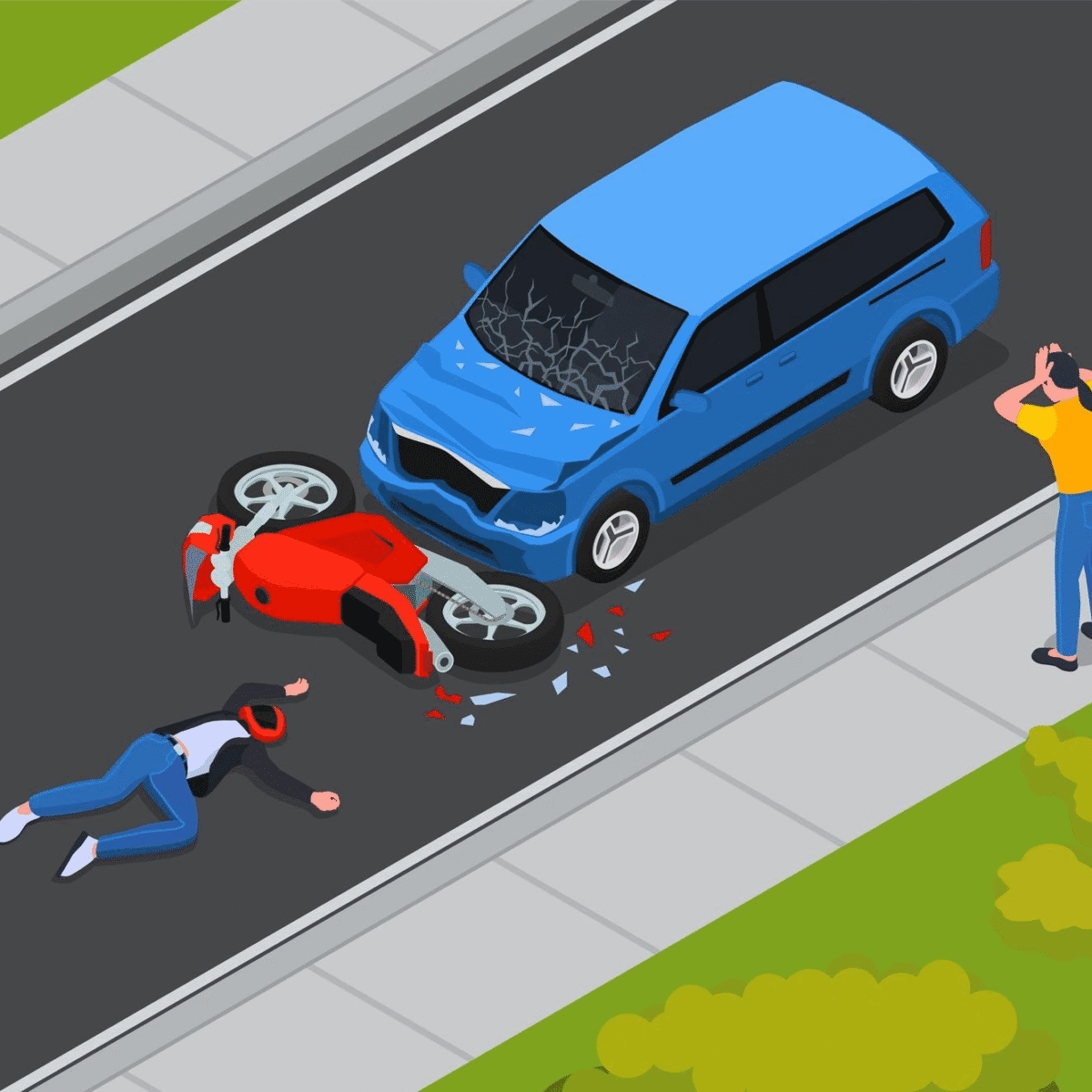
Motor vehicle accidents (MVAs) are a leading cause of injuries and fatalities in the U.S. This blog examines three real-life MVA cases, explores their causes, and provides actionable prevention strategies to enhance road safety.
Understanding MVA Motor Vehicle Accidents
Common Types of MVAs
-
Rear-End Collisions
-
Head-On Crashes
-
Rollover Accidents
-
Hit-and-Run Incidents
MVA Statistics in the U.S.
-
Over 6 million car accidents occur annually.
-
1 in 3 accidents involve distracted driving.
-
30% of fatal crashes involve alcohol impairment.
3 Real-Life MVA Case Studies
Case Study 1: The Fatal Drunk Driving Crash in Chicago (2022)
A drunk driver collided with a family car, killing two passengers. The driver received a 15-year sentence, highlighting the dangers of impaired driving.
Case Study 2: The Multi-Car Pileup on I-90 (2021)
Poor visibility due to fog caused a 12-vehicle collision, resulting in 5 fatalities. This case underscores the risks of driving in adverse weather.
Case Study 3: The Distracted Driving Accident in Springfield (2023)
A teenager texting while driving veered into oncoming traffic, critically injuring three people. This case emphasizes the deadly consequences of phone use behind the wheel.
What Causes MVA Motor Vehicle Accidents?
Human Factors
-
Distracted Driving (texting, eating, adjusting GPS)
-
Drunk/Drugged Driving
-
Speeding & Reckless Driving
Environmental Factors
-
Poor Weather Conditions (rain, snow, fog)
-
Dangerous Road Designs (sharp turns, lack of signage)
Vehicle-Related Factors
-
Brake Failures
-
Tire Blowouts
-
Faulty Airbags
How to Respond to an MVA Accident
Immediate Steps After a Crash
-
Check for injuries and call 911.
-
Move to a safe location if possible.
-
Exchange information with the other driver(s).
-
Document the scene (photos, witness statements).
Legal and Insurance Procedures
-
File a police report.
-
Notify your insurance company.
-
Consult a lawyer if injuries or disputes arise.
Preventing MVA Accidents
Safe Driving Practices
-
Avoid distractions (no texting while driving).
-
Follow speed limits.
-
Never drive under the influence.
Technological Advancements
-
Advanced Driver Assistance Systems (ADAS)
-
Automatic Emergency Braking (AEB)
Policy and Law Enforcement Improvements
-
Stricter DUI penalties.
-
Better road maintenance and signage.
Conclusion
MVA motor vehicle accidents are preventable with awareness, responsible driving, and improved safety measures. By learning from past cases, we can reduce fatalities and injuries on the road.
For advertisement opportunities, contact us at ads@anikaayintegration.com.


